
Popular Pool Coping Repair Products for Seamless Restorations
Find out which products are favored by homeowners for quick, effective, and lasting pool coping repairs.
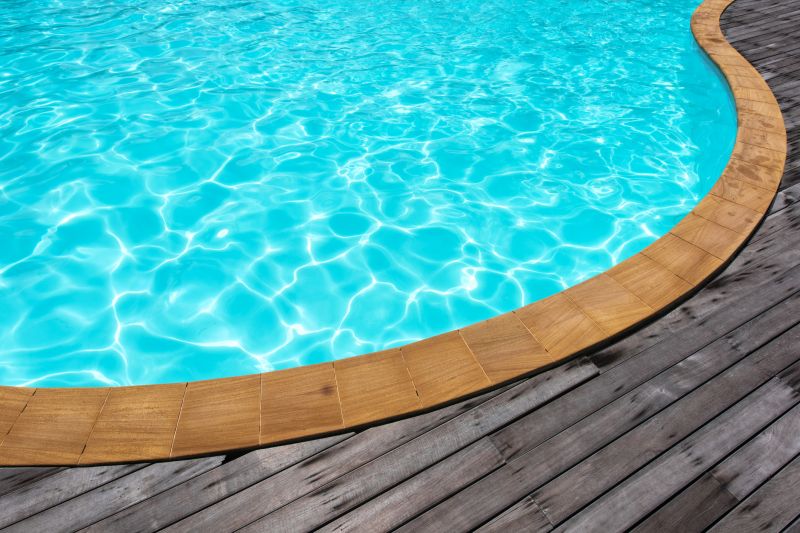 Pool coping serves as a protective and decorative border around the edge of a swimming pool, providing a finished look while also helping to prevent water from seeping into the underlying structure. Over time, exposure to weather, pool chemicals, and regular use can cause coping materials to crack, chip, or become loose, necessitating repairs to maintain safety and aesthetics. Repairing pool coping involves selecting suitable products that can bond well to existing materials, withstand water exposure, and accommodate the movement of the pool structure.
Top Overall Option
Polymer-Based Pool Coping Repair Mortar
A versatile polymer-based repair mortar offers excellent adhesion, flexibility, and water resistance, making it suitable for a variety of coping materials. Its ease of application and quick curing time help streamline repair projects, providing a durable and seamless finish that can accommodate slight movements without cracking.
Types of Products For Pool Coping Repairs
Epoxy Adhesives
Ideal for bonding loose or cracked coping stones, epoxy adhesives provide strong, durable bonds that resist water and chemicals.
Polymer Mortars
These repair mortars are formulated for filling cracks, bonding new material, and restoring damaged coping surfaces with flexibility and water resistance.
Sealants and Caulks
Flexible sealants and caulks help fill small gaps and prevent water infiltration, often used in sealing joints and cracks.
Resurfacing Patches
Pre-formed patches or overlays designed to cover damaged areas, providing a quick cosmetic fix and protective barrier.
Concrete Patching Compounds
Suitable for repairing chipped or broken concrete coping, these compounds restore structural integrity and appearance.
Grout Mixes
Specialized grout mixes are used for filling joints and seams, ensuring stability and water tightness.
Resin-Based Coatings
Coatings that can be applied over existing coping to provide a protective, waterproof surface with enhanced durability.
Polyurethane Foam
Used for filling large gaps or voids, providing flexibility and insulation properties.
Acrylic Resurfacing Products
Acrylic-based products offer a smooth finish and are often used for resurfacing and sealing coping surfaces.
Tile Adhesives
Specialized adhesives for reattaching or replacing tiles on coping surfaces, ensuring strong bond and water resistance.
Popular Choices
Widely used for sealing cracks and joints, these sealants are appreciated for their ease of application and durability.
Complete kits that include epoxy resins and applicators, suitable for small to medium repairs on coping surfaces.
Popular for their bonding strength and flexibility, these mortars are often chosen for patching and rebuilding damaged coping.
Commonly used for repairing chipped or cracked concrete coping, these compounds are favored for their ease of use.
Pre-formed patches are frequently selected for quick cosmetic fixes on damaged coping edges.
Sealants that create a waterproof barrier, helping prevent water infiltration and further damage.
Chosen for their smooth finish and protective qualities, these coatings are popular for resurfacing older coping.
Preferred for reattaching or replacing tiles on coping, ensuring a secure and water-resistant bond.
Often used for filling large voids or gaps, appreciated for their flexibility and insulating properties.
Popular for sealing and protecting coping surfaces from water and chemical damage.
When considering repairs, it is important to assess the extent of damage, the type of existing coping material, and the surrounding environment. Some repairs may involve simple patching with sealants or adhesives, while more extensive damage could require replacing sections of coping or applying specialized resurfacing products. Proper preparation of the surface, including cleaning and removing loose debris, is essential for ensuring good adhesion of repair materials.
Choosing the right products for pool coping repairs can extend the lifespan of your pool's border and help maintain its visual appeal. It is advisable to select products that are specifically formulated for outdoor use and compatible with the existing coping material. Additionally, considering ease of application and curing time can influence the overall repair process, especially for DIY projects. Consulting manufacturer instructions and, if necessary, seeking professional advice can help achieve the best results.
Ultimately, regular inspection and timely repairs can prevent minor issues from escalating into more significant problems, ensuring that your pool remains safe, functional, and attractive for years to come. By selecting appropriate repair products and following proper application techniques, pool owners can effectively address coping issues and preserve the integrity of their pool area.
Key Buying Considerations
- Compatibility with existing coping material to ensure proper adhesion and performance.
- Water resistance and waterproofing capabilities to withstand pool environment exposure.
- Flexibility of the product to accommodate slight movements or expansion of the pool structure.
- Ease of application, especially if undertaking DIY repairs, including drying and curing times.
- Durability and resistance to pool chemicals, UV rays, and weathering for long-lasting repairs.
- Ability to bond to damaged or cracked surfaces effectively without requiring extensive surface preparation.
- Color matching options for seamless aesthetic integration with existing coping.
- Environmental conditions such as temperature and humidity during application for optimal results.
- Safety and toxicity levels, especially if applying in enclosed or semi-enclosed areas.
- Cost-effectiveness considering the size of the repair area and the type of product needed.
- Availability of repair kits or multiple-use containers for ongoing maintenance.
- Manufacturer instructions and recommended application techniques for best results.
- Curing time to minimize downtime and allow for safe use of the pool after repair.
- Flexural strength and ability to withstand pool usage and foot traffic.
- Brand reputation and reviews to gauge reliability and user satisfaction.